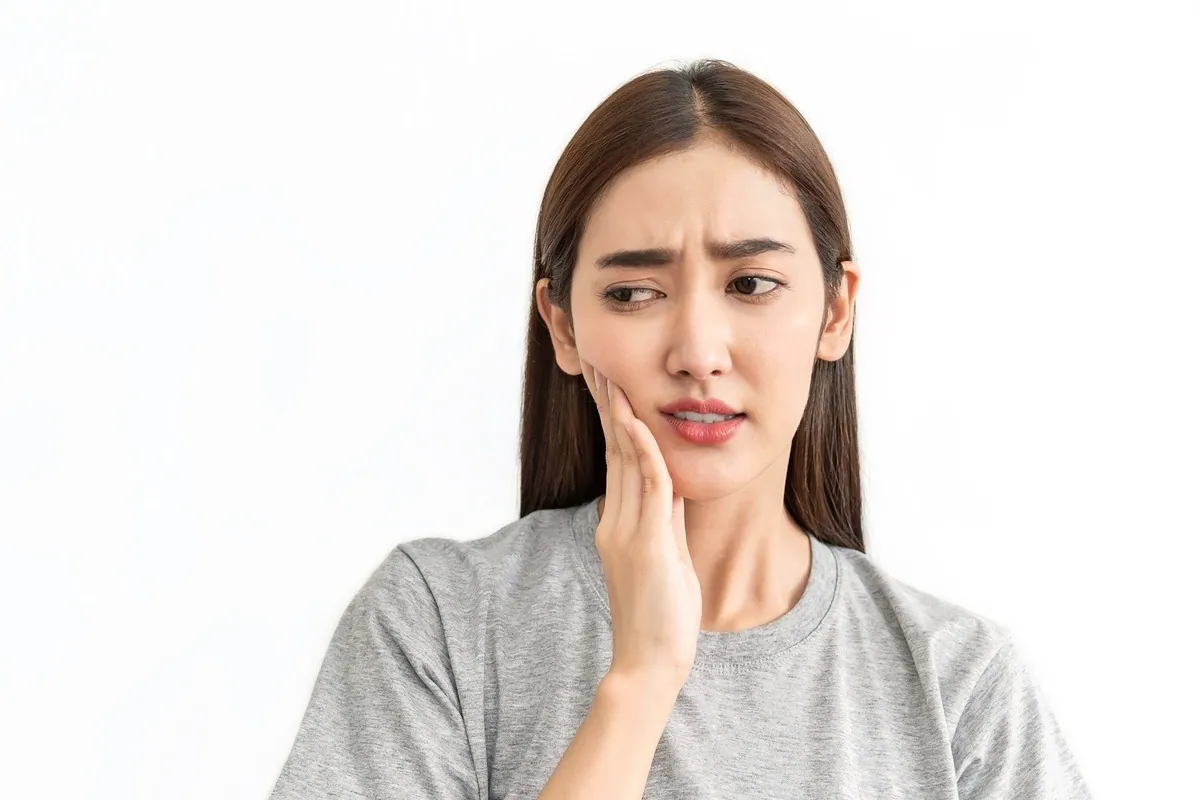
If a sip of ice water, a spoonful of ice cream or a breath of cold air sends a sharp jolt through a tooth, you are not alone. Teeth sensitive to cold are one of the most common dental complaints, and in most cases the cause is simple to find and to treat.
The pain usually comes from dentin, the layer under the enamel. Dentin is full of tiny channels that lead toward the nerve. When enamel wears thin or the gums pull back from a root, cold reaches those channels and the nerve reacts with a quick, sharp signal.
Below are the common causes, what you can do at home, what a dentist can do, and the signs that mean a sensitive tooth should be checked soon. This guide is also available en español.
- Cold sensitivity usually means dentin is exposed, through worn enamel or gums that have pulled back from the root.
- A short twinge that stops within seconds is common and usually treatable. Pain that lingers after the cold is gone needs an exam.
- Sensitive toothpaste works for many people but takes steady use for two weeks or more.
- One tooth that hurts often points to one problem in that tooth: a cavity, a crack or a worn filling.
- Swelling, throbbing or pain that wakes you at night should be seen the same day.
Why cold makes a tooth hurt
Enamel, the hard outer layer of a tooth, insulates the inside from heat and cold. Below the gumline, the root is covered by a much thinner layer instead. When either one wears away, the dentin underneath is exposed, and its tiny fluid-filled channels pass the shock of cold straight toward the nerve.
That is why the pain is so sharp and so short. The nerve is reacting to a sudden change in temperature, and it settles once the cold is gone. Hot drinks and sweets can set it off the same way. So can a toothbrush on an exposed root.
Eight common causes
- Gums pulling back from the root. Gum recession exposes root surfaces, which have no enamel. Gum disease, brushing too hard and age all contribute. Treating gum disease early protects the roots.
- Enamel worn by acid. Soda, citrus, sports drinks, wine and acid reflux soften enamel a little at a time.
- Brushing too hard. A hard-bristled brush, heavy pressure or a very abrasive toothpaste can wear enamel and push the gums back.
- Grinding or clenching. Grinding wears enamel down and can cause tiny cracks. Many people do it in their sleep without knowing; a custom night guard protects the teeth.
- A cavity. Decay opens a path toward the nerve. Sensitivity in one tooth is a common early sign.
- A cracked or chipped tooth. Even a hairline crack can let cold through, and it often hurts when you bite as well. See our page on how we fix a chipped tooth.
- A worn or leaking filling. Old fillings can wear or pull away at the edges, leaving a gap.
- Recent dental work or whitening. Some sensitivity after a deep cleaning, a new filling or whitening is common and usually fades. After whitening it typically lasts a day or two.
What the pain pattern tells you
How the pain behaves gives a dentist useful clues before any test:
- A quick twinge that stops within a few seconds after the cold is gone usually points to exposed dentin from wear or recession.
- Pain that lingers for 30 seconds or more after the cold is gone, or that throbs, can mean the nerve inside the tooth is inflamed. That needs an exam soon.
- Pain when you bite down often comes from a crack or a problem with a filling.
- Many teeth at once suggests a general cause such as recession, enamel wear or brushing habits. One tooth suggests a problem in that tooth.
What helps at home
- Brush twice a day with a toothpaste for sensitive teeth, such as one with potassium nitrate or stannous fluoride. It takes steady use for two weeks or more to work, and the effect fades if you stop. Spit after brushing but do not rinse, so more of it stays on the teeth.
- Switch to a soft-bristled brush and use gentle pressure. An electric toothbrush with a pressure sensor helps if you tend to scrub.
- Go easy on acidic drinks. Have them with meals rather than sipping all day, rinse with water afterward, and wait about an hour before brushing.
- Use a straw for cold drinks, and don't chew ice.
- Skip the harsh home remedies. Lemon, baking soda scrubs and charcoal powders are acidic or abrasive and can make sensitivity worse.
If sensitivity has not improved after about four weeks of sensitive toothpaste, or if it is in one tooth, have it checked rather than waiting it out. The American Dental Association's MouthHealthy site has a short guide to sensitive teeth as well.
What a dentist can do
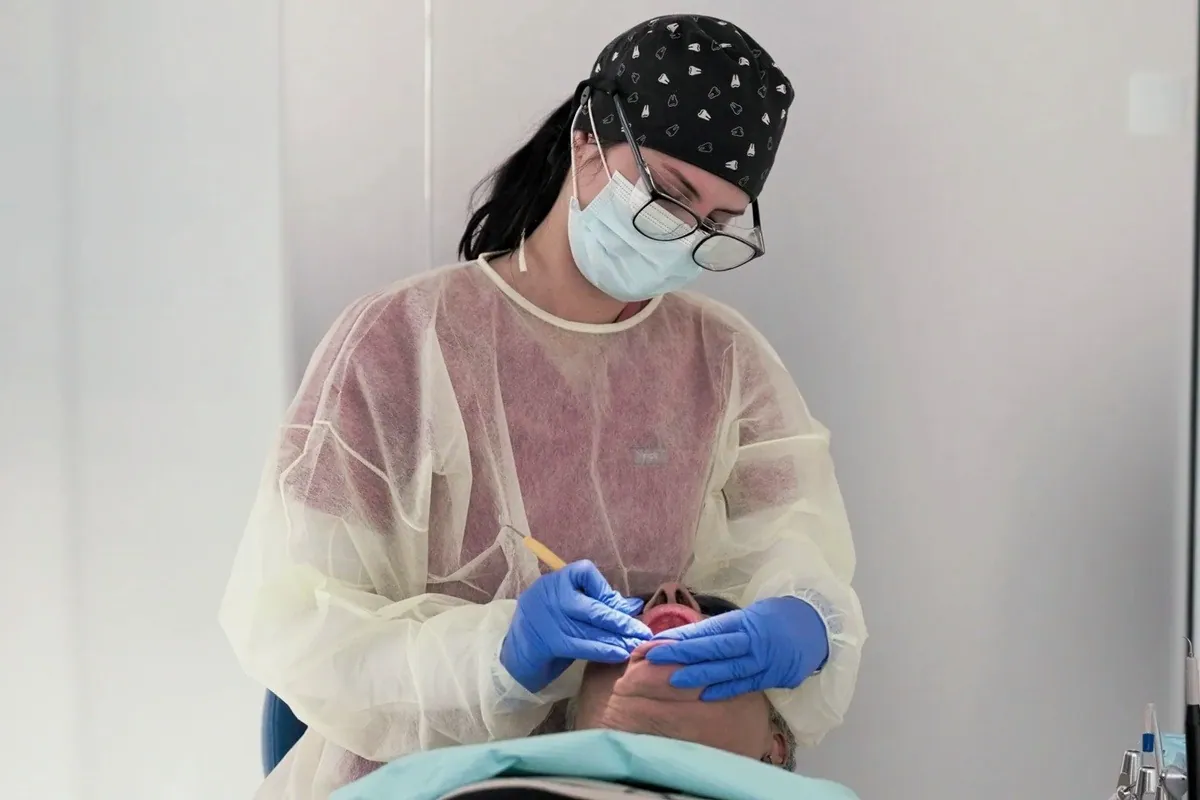
The first step is finding the cause. An exam, X-rays and a few simple tests with air or cold on individual teeth help narrow down whether the problem is wear, recession, a cavity, a crack or a filling. A hairline crack can be hard to see, so it sometimes takes a follow-up visit. Treatment depends on what we find:
- Fluoride varnish or a desensitizing coating painted on the sensitive areas to strengthen enamel and seal exposed dentin.
- Bonding over an exposed root. A thin layer of tooth-colored resin covers the area. See dental bonding.
- A filling or a new filling when decay or a leaking edge is the cause.
- A crown for a cracked tooth, to hold it together and protect it. See crowns and bridges.
- Gum treatment when gum disease is driving the recession. For significant recession, a gum graft may be an option.
- A root canal when the nerve is inflamed beyond recovery. It treats the inflamed or infected nerve so the tooth can often be kept. See root canal treatment.
Signs you should not wait
Call a dentist soon if you notice any of these:
- Pain that lingers after the cold is gone, throbs, or starts on its own
- Pain that wakes you up at night
- Pain when you bite or release
- Swelling in the gum or face, a pimple on the gum or a bad taste in the mouth
- Sensitivity in one tooth that is getting worse
- A visible hole, dark spot, crack or chip
Swelling with a fever should be seen the same day; we keep time for dental emergencies. If swelling spreads or makes it hard to swallow or breathe, go to an emergency room.
Call our Tamarac office. We look for the cause at your exam and explain the options and the cost before any treatment.
Book a visitGetting it checked in Tamarac
Metropolitan Smile Design is at 6510 N University Dr in Tamarac, open Monday to Friday from 8 AM to 5 PM, with a bilingual team in English and Spanish. New patients with healthy gums can start with a $65 first visit that includes an exam, digital X-rays and a basic cleaning; it cannot be combined with dental insurance or other offers. We accept most major PPO plans.
Call (954) 322-3865 or send us a message. If the tooth is painful now, tell us when you call and we will find you the earliest time.
Frequently Asked Questions
Why are my teeth suddenly sensitive to cold?
Sensitivity that starts suddenly often comes from a new cavity, a crack, a filling that has worn or pulled away, recent whitening or dental work, or gum recession that has reached the root. If it is in one tooth and new, have it checked.
How long does toothpaste for sensitive teeth take to work?
Most people need to use it twice a day for two weeks or more before they notice a difference, and the effect fades when they stop. Spit after brushing but do not rinse right away. If there is no improvement after about four weeks, see a dentist.
Is sensitivity to cold a sign of a cavity?
It can be, especially when it is in one tooth. It can also come from gum recession or enamel wear. An exam and X-rays tell the difference.
Is cold sensitivity after a new filling normal?
Mild sensitivity to cold for a few days to a couple of weeks after a new filling is common and should fade. If it gets worse, lingers or hurts when you bite, call us. The bite on the filling may need a small adjustment.
Can teeth whitening make teeth sensitive to cold?
Yes, for a short time. After whitening, mild sensitivity typically lasts a day or two. A toothpaste for sensitive teeth helps, and if your teeth are already sensitive we can adjust the treatment.
When is tooth sensitivity an emergency?
Call the same day if you have swelling, a fever, severe throbbing pain or pain that wakes you at night: (954) 322-3865. If swelling spreads or makes it hard to swallow or breathe, go to an emergency room.